Checklist
Camping checklist: everything to pack for a weekend at a campground
The full packing list for camping by the car, grouped the way you will pack it, plus the things most often left at home.
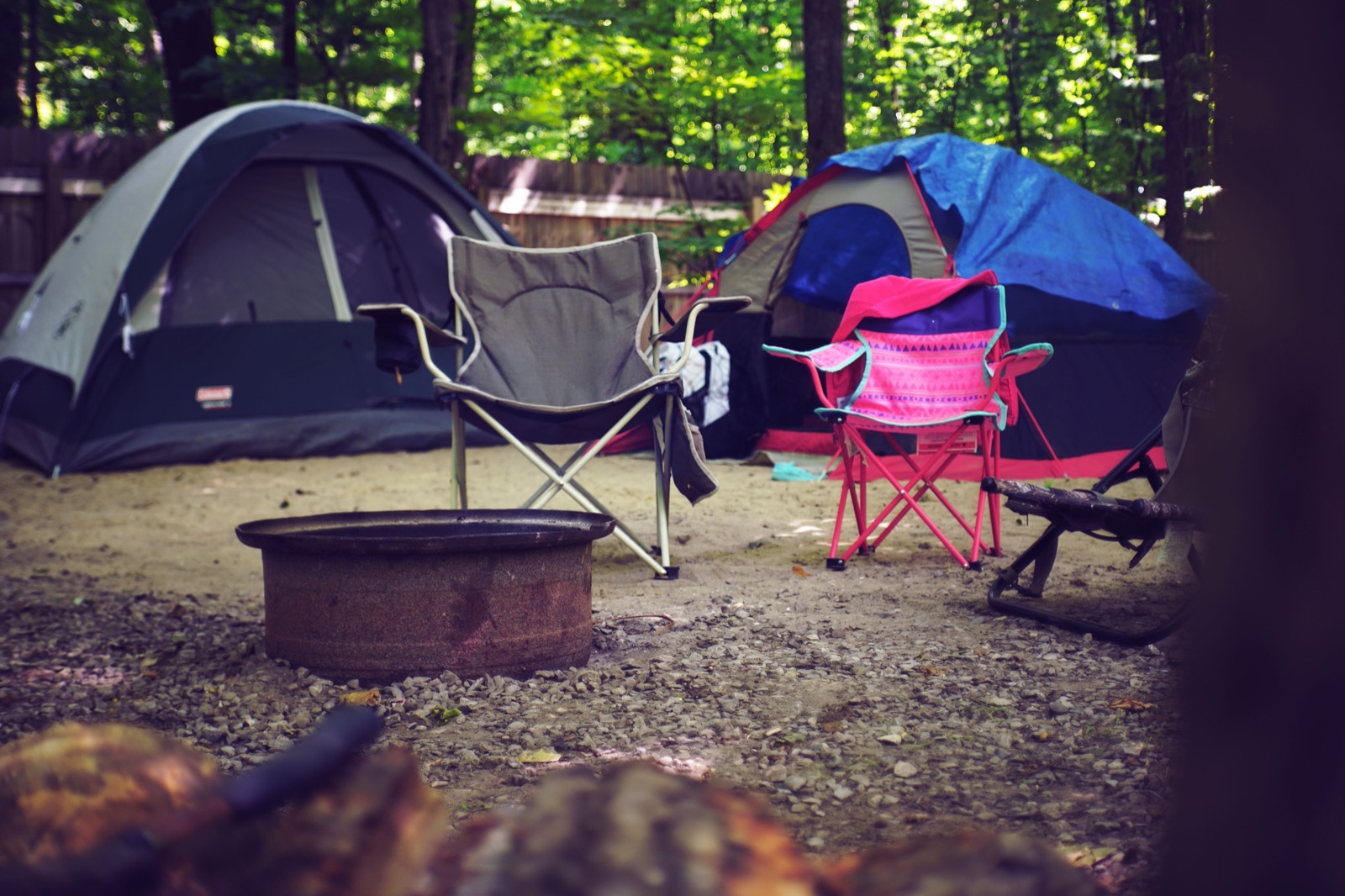
This camping checklist is for a weekend at a campground with the car parked next to the tent: one to three nights, a picnic table and usually a fire ring at the site. Weight hardly matters, so the list leans toward comfort. It is built on the National Park Service's Ten Essentials and its campground advice, and grouped the way you will pack it. If you will carry everything on your back, use the backpacking checklist instead.
Before you pack, check the campground's rules: whether there is drinking water, where fires are allowed, the group size limit, showers and toilets, and any food storage rules, as the NPS suggests.
Shelter
- Tent, with poles, stakes and guylines (count them before you leave); one size up from the number of campers gives room for gear
- Footprint or groundcloth; fold any tarp edges underneath so they don't collect rain
- Rainfly
- Mallet or small hammer for the stakes
- Spare stakes and a short length of cord
- Tarp and cord for a dry area over the table
- Small brush and dustpan for the tent floor
- Doormat or old towel for the tent door
Comfort at camp
- Camp chairs
- Lantern and spare batteries or a charged battery; see camping lanterns
- Tablecloth and clips (the picnic table is usually at the site)
- Hammock, books, cards or games
Sleep
- Sleeping bag rated for the coldest night expected
- Sleeping pad or air mattress, insulated, not only inflated
- Air pump if the mattress needs one
- Pillow
- Extra blanket for cold nights
- Earplugs and an eye mask for busy campgrounds
See the sleep systems section for how bag ratings and pad R-values work.
Kitchen
Cooking
- Two-burner stove and fuel; check how much propane is left before you leave
- Lighter, plus matches or a second lighter
- Pots, frying pan and a kettle
- Plates, bowls, mugs and utensils for everyone
- Cooking spatula, spoon, tongs
- Sharp knife and cutting board
- Can opener and bottle opener
- Aluminum foil, zip-top bags and food containers
- Oil, salt, pepper and spices
- Coffee and a way to make it
Practice with a new stove at home first, as the NPS recommends, in case it is hard to light or missing a part. Cook outside, never in the tent: the US Consumer Product Safety Commission warns against using stoves, heaters and fuel lanterns inside tents, campers and vehicles because of carbon monoxide.
Food and cooler
- Meal plan for every meal plus snacks
- Cooler, pre-chilled the night before, with ice or ice packs
- Food in airtight bags and containers, which the NPS says helps keep smells from attracting wildlife
- Meat and cheese eaten first, so the ice lasts
Washing up
The NPS's three-bin method for front-country camps: one bin to wash in warm water, one to rinse, and a third to rinse in a bleach solution of 2 teaspoons per gallon of water, then air-dry everything.
- Three dish tubs or collapsible bins, and a water jug for washing up
- Biodegradable soap, sponge and scrubber
- Dish towels
- Trash bags and recycling bags; pack out what you bring in
See the camp kitchen section for stoves, cookware and coolers.
Water
- Drinking water, or a water jug to fill at the campground tap
- Water bottles for everyone
- A water filter or treatment if the campground's water is not potable
Light and power
- Headlamp for every person, with spare batteries
- Lantern for the table
- Power bank and charging cables
- Car charger
Clothing
- Rain jacket and rain pants
- Warm layer: fleece or insulated jacket
- Hat and gloves for cold evenings
- Sun hat
- Quick-drying shirts and pants or shorts
- Long underwear for sleeping
- Spare socks and underwear
- Camp shoes or sandals, plus hiking shoes
- Swimsuit if there is water nearby
Health, hygiene and safety
- First-aid kit, with any personal medications; know how to use it
- Sunscreen, sunglasses and lip balm
- Insect repellent
- Toothbrush, toothpaste, soap and a quick-dry towel
- Toilet paper and hand sanitizer
- Map of the area and campground information, printed or downloaded
- Multi-tool or knife and duct tape for repairs
- Phone and the campground's emergency number
Campfire (only where fires are allowed)
Check fire restrictions before you leave, and use the site's fire ring. Smokey Bear's campfire guidance lists water, a bucket and a shovel among the tools to have ready; camping for beginners covers where to build the fire and how to put it out.
- Firewood bought locally or at the campground
- Kindling and fire starters
- Lighter or matches
- Bucket for water and a shovel
- Roasting sticks

What people forget
- Tent stakes or poles left drying at home
- A lighter, the can opener or the coffee
- Spare batteries for headlamps and lanterns
- Trash bags
- Pillows
- A warm layer for the evening
- Camp reservation details and entrance pass, which most national parks require
A plastic bin that stays packed with the kitchen items between trips solves most of these.
What to leave at home
- Any plan to run a fuel heater or fuel lantern in the tent: the CPSC warns against using them while sleeping in tents
- Firewood from home, where the campground asks you to buy it locally; check the rules
- Glass bottles where the campground bans them
- Valuables you would hate to lose
- Anything you will not pack out
Before you leave camp
- Pack out all trash and food scraps, and check the table, fire ring and ground, as the NPS and Leave No Trace advise
- Make sure the fire is out and cold to the touch
- Count tent stakes and poles
New to all this? Start with camping for beginners, then come back to this list.
Questions
What are the camping essentials?
Shelter, a sleeping bag and pad, a stove with fuel, food and water, a headlamp, clothing layers and rain gear, sun protection, a map and a first-aid kit. The National Park Service's Ten Essentials list is a good base for any trip.
What do people forget most often when camping?
Small items: a lighter or matches, a can opener, utensils, spare batteries, trash bags, tent stakes and the tent poles left drying in the garage. Packing from a written list and keeping a ready-packed camp bin prevents most of it.
Do I need a tent footprint for car camping?
It is not required, but the National Park Service suggests a groundcloth or footprint under the tent. If you use a tarp, fold the edges under so they don't stick out past the tent and collect rain.
What should I bring for camping with no hookups?
Enough drinking water if the campground has none, a cooler with ice, a lantern and headlamps, a power bank for phones and everything you need to pack out your trash.
Sources (6)
- National Park Service — The Ten Essentials
- National Park Service — Finding and setting up a campsite
- National Park Service — Cooking in camp
- National Park Service — Leave No Trace seven principles
- Smokey Bear — Campfire safety
- U.S. Consumer Product Safety Commission — Portable heaters and camping equipment
Read next
Family tents: how to choose a big tent for camping with kids
Person ratings, floor size, headroom and shape: what to compare before you buy a large tent for the whole family.
Camping for beginners: how to plan and enjoy your first night at a campground
From booking a site to packing out the trash: a calm, step-by-step plan for your first camping trip by the car.
Backpacking checklist: what to pack for a night or a weekend on the trail
Everything you carry on your back for an overnight or weekend trip, grouped by system, with the Ten Essentials built in.