Comparison
Down vs. synthetic sleeping bags: which fill suits your trips
Down is lighter and packs smaller; synthetic copes better with damp and costs less. Here is how to decide which matters more for you.
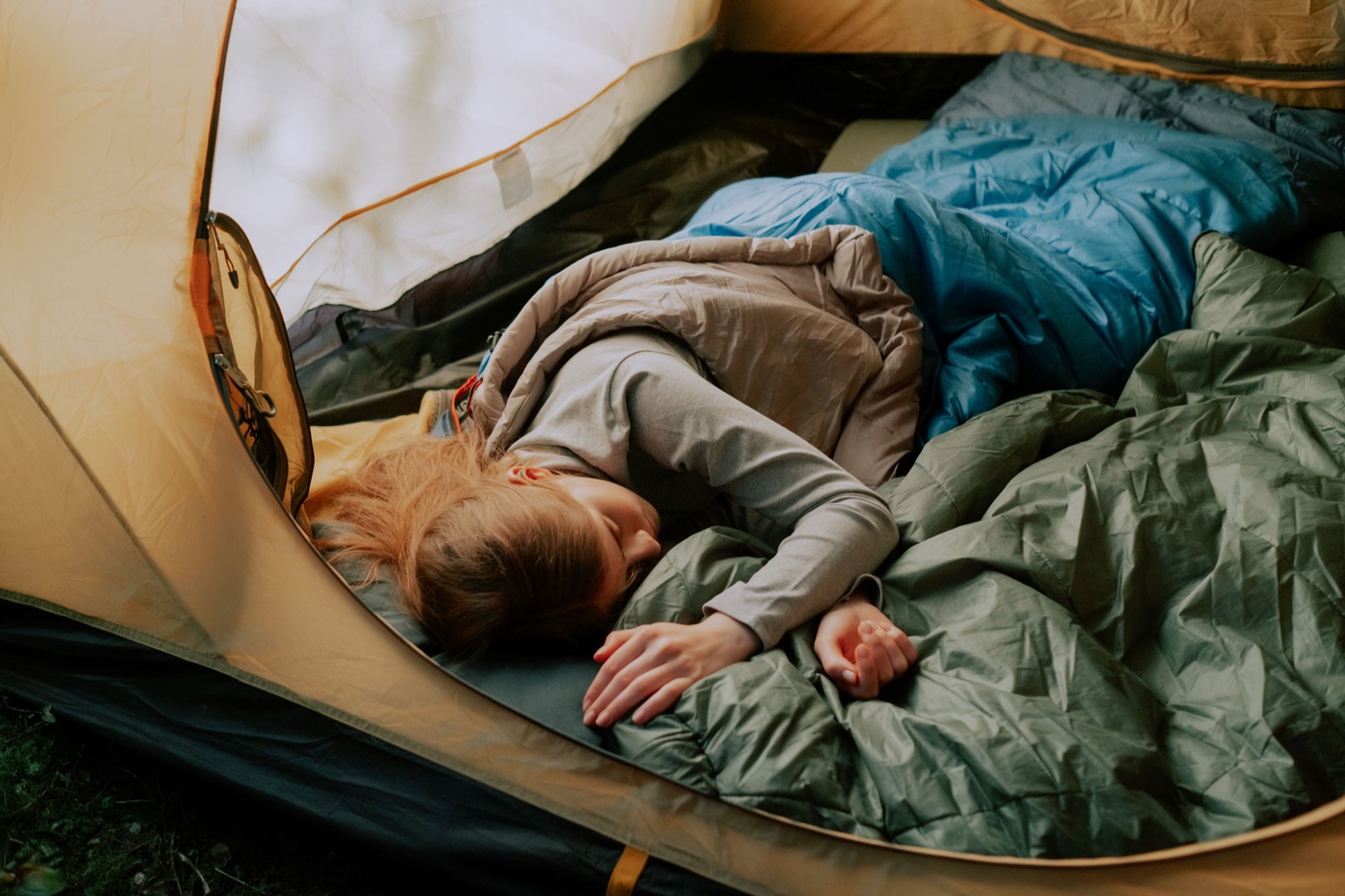
The short answer: a down sleeping bag is the better choice when weight and packed size matter and you can keep it dry, which covers most backpacking. A synthetic sleeping bag is the better choice for wet climates, paddling trips, car camping on a budget, and kids who are hard on gear. Both can be equally warm; a bag's temperature rating, not its fill, tells you how warm it is.
Down and synthetic compared
| Down | Synthetic | |
|---|---|---|
| Warmth for its weight | Highest | Lower: more fill needed for the same rating |
| Packed size | Small | Larger |
| When damp or wet | Loses loft, dries slowly | Keeps insulating, dries faster |
| Price | Higher | Lower |
| Care | Needs gentle washing and full drying | More forgiving to wash |
| Long-term storage | Store loose and dry | Store loose and dry |
| Best for | Backpacking, dry and cold trips | Wet climates, car camping, budgets |
Down sleeping bags
Down is the soft under-plumage of ducks and geese. Each cluster traps air, and a bag full of them lofts high for very little weight. Therm-a-Rest calls down's warmth-to-weight ratio unmatched, and a down bag compresses small enough to leave room in a pack for food and water.
Fill power
Fill power measures loft: Therm-a-Rest defines it as how many cubic inches an ounce of down fills in a calibrated container. Higher fill power means more loft and warmth for the same weight, so an 800- or 900-fill bag can be lighter than a 650-fill bag with the same rating. Therm-a-Rest notes that duck down usually tops out around 650 fill power, while goose down reaches higher. The testing lab IDFL adds that compression in shipping and storage lowers measured fill power, and that use and airing can bring it back, which is one reason to store a bag loose.
Remember that fill power is quality, not quantity. A bag's warmth also depends on how much down it holds and how it is built, which is why the temperature rating is the number to compare.
Down and moisture
Water is down's weakness. Wet clusters collapse and lose their loft, and they take a long time to dry. Moisture builds up from rain, condensation inside a tent and your own body over several nights.
Many bags now use water-resistant treated down. Therm-a-Rest states that the Nikwax Hydrophobic Down in its bags absorbs 70 percent less moisture than untreated down and dries three times faster, but also that even treated down underperforms synthetic fill in very wet conditions. A water-resistant shell fabric helps too.
Who down suits
Down suits backpackers counting ounces, cold-weather campers who need a lot of warmth in a small package, and anyone who takes care to keep the bag dry. A 0 degree goose down sleeping bag is far easier to carry than a synthetic bag of the same rating. Down costs more: Therm-a-Rest notes its price follows global down supply.

Synthetic sleeping bags
Synthetic fill is made of polyester fibers, either in continuous sheets or as short, fluffy fibers. Therm-a-Rest describes synthetic insulation as heavier and bulkier than down at the same temperature rating, but designed to keep its insulating ability when wet and to dry faster.
Strengths
- Wet weather. In the Pacific Northwest, on canoe trips or in a leaky tent, a synthetic bag keeps working when a down bag would flatten.
- Price. Synthetic bags usually cost noticeably less than down bags with the same rating.
- Easy care. Sea to Summit says synthetic bags can be washed on a normal gentle cycle, using a technical wash rather than ordinary detergent, whose brighteners and fillers can reduce loft.
Weaknesses
- Weight and bulk. A synthetic backpacking bag takes more pack space and weighs more for the same warmth.
- Lifespan. Synthetic fill usually loses loft faster than down after years of being packed and unpacked, so a well-kept down bag tends to outlast it.
Who synthetic suits
Car campers, families buying bags for growing children, paddlers, campers in persistently wet climates and anyone on a tight budget.
Sleeping quilts
A quilt is a sleeping bag without the back and, usually, without the hood. The idea is that fill under your back is crushed flat by your weight and adds little warmth, so a quilt leaves it out and relies on your sleeping pad underneath. Straps hold the quilt to the pad to stop drafts.
Most backpacking quilts are down, since they are bought to save weight, but synthetic quilts exist for wet trips. Some bags can do both: Therm-a-Rest describes its Ohm 32F/0C as a semi-rectangular bag that opens into a quilt for milder weather. An ultralight sleeping quilt works best for people who sleep warm and already have a pad with enough R-value for the season.

Cleaning a down sleeping bag
Washing a down bag is safe if you go gently. Western Mountaineering suggests washing it every one to two years:
- Use a front-loading machine on a gentle cycle or hand wash in a bathtub. Do not use a top-loader with an agitator, which can damage the baffles.
- Use a soap made for down, not regular detergent, and do not dry clean; solvents can strip the down's natural oils.
- Rinse until no soap remains, then press the water out rather than wringing. Support the whole bag when you lift it: a soaked bag is very heavy.
- Tumble dry on low heat for as long as it takes, without dryer sheets. Break up clumps by hand; any lump means wet down.
- Store it loose in a large breathable sack, fully dry.
A liner inside the bag cuts how often you need to wash it. Follow the care label on your own bag.
Which to choose
By situation
Choose down if
- You backpack and want the lightest, smallest bag for its warmth.
- Your trips are mostly dry, or you can protect the bag from damp.
- You want a bag that lasts many seasons and will care for it.
Choose synthetic if
- You camp in a wet climate, by water or in a tent prone to condensation.
- You car camp and weight does not matter.
- You are on a budget or buying for children who will outgrow the bag.
Whichever fill you choose, compare bags by their tested temperature ratings, and see the sleeping bags buying guide for shapes and sizing.
Questions
Is a down sleeping bag warmer than a synthetic one?
Not at the same temperature rating: two bags rated to the same temperature are meant to be equally warm. The down bag will usually be lighter and pack smaller, because down gives more warmth for its weight.
What happens if a down sleeping bag gets wet?
Wet down loses much of its loft and therefore its warmth, and it dries slowly. Water-resistant treated down helps, but makers say even treated down falls behind synthetic fill in very wet conditions.
What fill power should a down sleeping bag have?
Higher fill power means more loft per ounce, so a lighter bag for the same warmth. Duck down usually tops out around 650 fill power; goose down goes higher, and many lightweight backpacking bags use 800 fill power or more.
How do you clean a down sleeping bag?
Hand wash it in a tub or use a front-loading machine on a gentle cycle with a soap made for down, then tumble dry on low until no clumps remain. Do not use a top-loader with an agitator, and do not dry clean it.
Is a sleeping quilt better than a sleeping bag for backpacking?
A quilt saves weight by leaving out the hood and the fill under your back, but it depends on your pad for warmth below you. It usually suits backpackers who sleep warm and already own a pad warm enough for the season.
Sources (6)
- Cascade Designs (Therm-a-Rest) — Down vs. synthetic sleeping bags and quilts
- Cascade Designs (Therm-a-Rest) — Choosing the right fit for sleeping bags
- Sea to Summit — How do you wash a down sleeping bag
- Western Mountaineering — Product tips and care
- Therm-a-Rest — Ohm 32F/0C sleeping bag
- IDFL — Fill power questions and answers
Read next
Ultralight backpacks: frameless and minimal-frame packs explained
An ultralight pack saves pounds only if the rest of your gear is light enough for it. Here is how to tell whether you are ready for one and what to compare.
Sleeping bags: how to choose one for camping and backpacking
Rating, fill, shape and fit: what to compare so the bag you buy keeps you warm on the nights you actually camp.
Sleeping bag temperature ratings: what comfort and limit mean
Comfort, limit and extreme explained, and how to turn the number on the bag into a warm night at the campsite you are going to.