Buying guide
Hydration packs: how to choose a pack with a water reservoir
A hydration pack lets you drink without stopping. The choice comes down to how much water you carry, how much else you carry, and how you move.
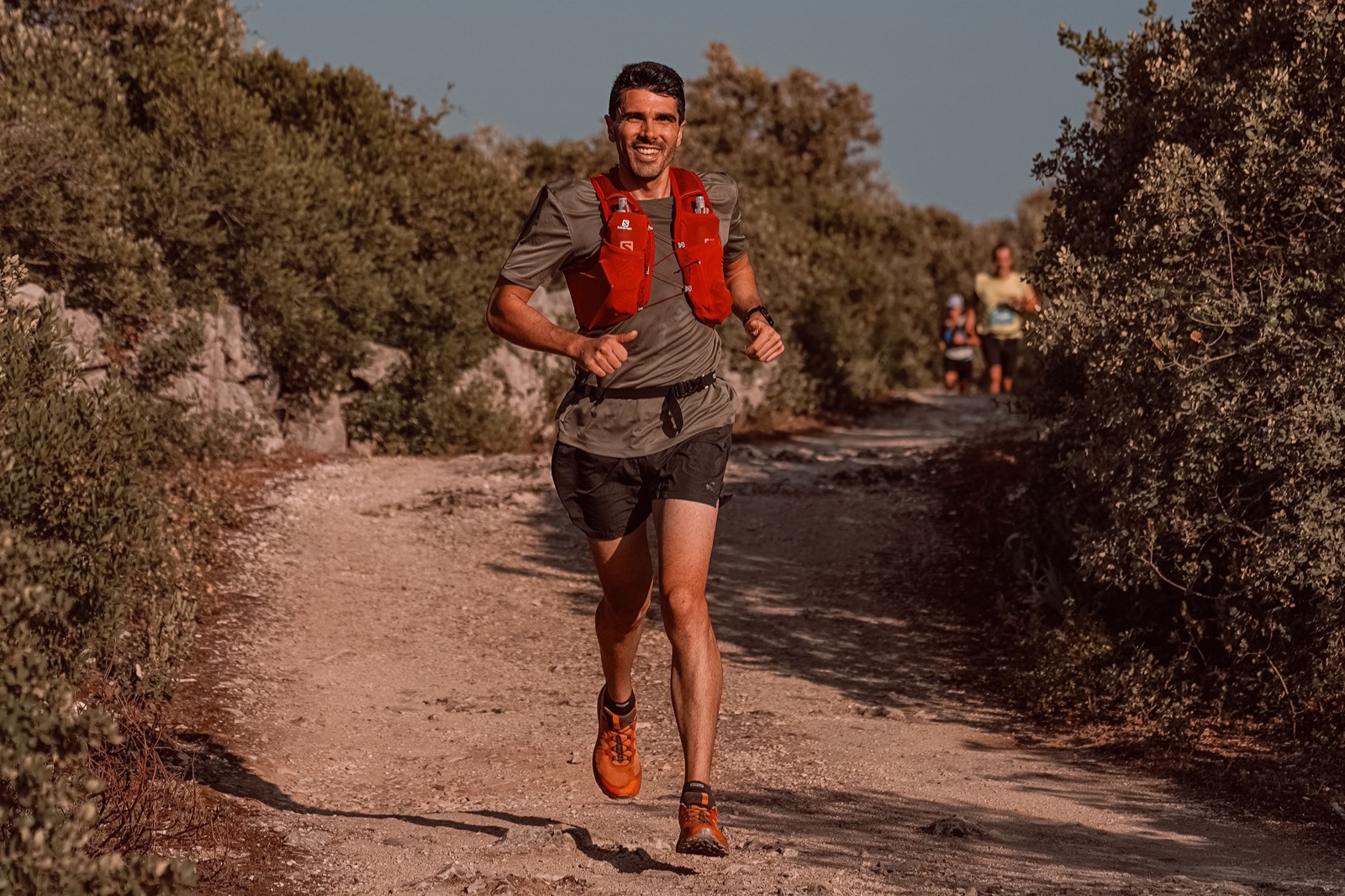
A hydration pack is a backpack built around a water reservoir: a soft bladder that sits against your back, with a drink tube running over your shoulder to a bite valve. You drink while you walk, run or ride, without stopping to dig out a bottle. This guide covers the types of hydration pack, how to match reservoir size and cargo space to your trips, what to look for in a water bladder, and how to clean and dry one so it stays usable.
How a hydration pack works
The reservoir slides into a sleeve between the back panel and the main compartment. The tube leaves the pack through a port near the top and clips to a shoulder strap. Biting the valve opens it; many valves also have a lock so the reservoir doesn't leak in the pack.
Water is heavy: Cascade Designs notes that one liter weighs 2.2 lb (1 kg). Holding it close to your back and centered keeps that weight stable, which is one reason reservoirs are popular on long, hot days. How much water you need depends on the heat, the effort and the trip; check the advice of the park or land agency where you are going.
Types of hydration packs
Hiking hydration packs
These are daypacks with a reservoir included and a dedicated sleeve, plus enough cargo space for layers, food and the essentials. CamelBak's Rim Runner X22 comes with a 1.5 liter reservoir, weighs 690 g (about 1 lb 8 oz), and has a ventilated back panel, side stretch pockets and a removable stability belt. The larger Rim Runner X30 comes with a 2 liter reservoir, weighs 910 g (about 2 lb), and adds a ventilated hip belt, a separate reservoir compartment and dual compression straps.
Hiking backpacks with a hydration sleeve
Many hiking backpacks are "hydration compatible": they have the sleeve, hanger and port but no reservoir. Deuter's Futura 27 takes a reservoir up to 3 liters, and Gregory's Zulu 40 has a hydration sleeve with a hanger for the maker's own reservoir, sold separately. This is often the most flexible choice if you already own a reservoir or want to choose one yourself. See hiking backpacks for more on this kind of pack.
Running vests
Close-fitting vests with soft flasks or a small reservoir, and pockets on the front straps. They hold little gear but move with you and barely bounce, which is why trail runners use them.
Biking hydration packs
Low-profile packs with a reservoir and small cargo space for tools, a tube and a layer. They sit high and tight so they don't shift when you lean on the bike.
Waist packs
Hip packs with bottle holsters or a small lumbar reservoir. They take weight off the shoulders and keep your back cooler, at the cost of space.
Comparison table
| Type | Typical reservoir | Cargo space | Strengths | Best for |
|---|---|---|---|---|
| Hiking hydration pack | Usually 1.5–3 L, included | About 10–30 L | Water and gear in one, reservoir included | Day hikes, hot weather |
| Hydration-compatible backpack | Up to the sleeve size, often 3 L; bought separately | 20 L and up | Choose your own reservoir, more gear | Long day hikes, overnights |
| Running vest | Soft flasks or a small reservoir | Small | Stable at speed, front access | Trail running, fast hiking |
| Biking pack | Usually 1.5–3 L | Small | Low and stable, tool storage | Mountain biking |
| Waist pack | Bottles or a lumbar reservoir | Very small | Cool back, light | Short hikes and runs |

What to look at
Reservoir capacity
Reservoirs commonly come in sizes from about 1.5 to 3 liters. A larger reservoir doesn't have to be filled to the top; it just gives you the option. If you are buying a reservoir for a hydration-compatible backpack, check the maximum size the sleeve takes.
Cargo space
Count the gear, not the water. On a hiking hydration pack, a full reservoir takes up some of the space inside, so the pack holds less gear than its overall size suggests. For hiking, plan on room for the ten essentials, food and a rain jacket in addition to the water.
Fit and stability
A full 2 to 3 liter reservoir adds about 4.5 to 6.5 lb to your back. A sternum strap and at least a light hip belt stop the pack from bouncing; on larger packs a padded hip belt carries the weight. Running vests should fit snugly when full, with adjustable side straps.
Back ventilation
Water against your back is cool at first and warm later. Packs with a mesh or channeled back panel, like the Rim Runner's Air Support panel, keep some air moving.
Water bladder features
- Wide opening: easier to fill, and big enough for a hand or brush when cleaning.
- Quick-disconnect tube: lets you pull out and refill the reservoir without threading the tube back through the pack.
- Bite valve with a lock: prevents leaks in the pack and in the car.
- Tube cover: an insulated sleeve keeps water cooler in heat and slows freezing in cold.
- Shape: a flat, baffled reservoir slides into a full pack more easily than a round one.
Access to the reservoir
A separate reservoir compartment with its own zip, as on the X30, lets you refill without unpacking. In a top-loading pack, fill and insert the reservoir before the rest of your gear.
Which hydration pack suits whom
- Hot-weather day hikers: a hiking hydration pack of about 20 to 30 liters with a 2 to 3 liter reservoir.
- Hikers who already own a good backpack: a reservoir to fit its hydration sleeve.
- Trail runners: a running vest.
- Mountain bikers: a low-profile biking hydration pack.
- Short walks: a waist pack, or a small daypack with bottle pockets.
Common hydration pack mistakes
- Not knowing how much is left. A reservoir inside a pack is out of sight. Check it at each break, or carry a bottle as well so you can see your supply.
- Inserting the reservoir into a full pack. Fill and insert it before packing the rest of your gear, or choose a pack with a separate reservoir compartment.
- Leaving the valve unlocked. A bite valve pressed by gear or a car seat can empty the reservoir into your pack. Use the lock if your valve has one.
- Storing it wet. Moisture left inside the reservoir and tube is what makes them smell and grow mold. Dry everything fully before putting it away.
- Ignoring the care instructions. Check the maker's instructions before filling a reservoir with anything other than water or cleaning it with anything beyond warm water and mild soap.
Cleaning, drying and storing a reservoir
Follow the instructions for your reservoir. CamelBak's method for cleaning before first use:
- Fill the reservoir halfway with warm water and mild soap, and shake to mix.
- Hold it up so the tube's exit port is at the bottom and the bite valve hangs below the reservoir.
- Pinch the bite valve so the solution runs through the tube and out of the valve.
- Rinse the soap out of the reservoir and tube, then drain all the remaining water.
Before storing, let every part dry completely with the reservoir held open, so no moisture stays trapped inside; CamelBak sells a dryer frame for this. CamelBak also warns that the pack itself should not go in a washing machine, so clean the pack by hand.
In cold weather, CamelBak suggests drinking often to keep water moving, blowing water back from the tube into the reservoir after each sip, and, overnight, locking the bite valve and keeping the reservoir in the bottom of your sleeping bag. Water can still freeze in extreme cold.
For loading a pack with a reservoir, see how to pack a backpack. More guides are in the backpacks section.
Questions
What size hydration pack do I need for hiking?
For hiking, look at two numbers: the reservoir, usually 1.5 to 3 liters, and the cargo space. A pack with room for a 2 to 3 liter reservoir plus 15 to 30 liters of gear covers most day hikes.
How do you clean a water bladder?
CamelBak's instructions: fill the reservoir halfway with warm water and mild soap, shake it, hold it so the tube hangs below, pinch the bite valve to run the solution through the tube, then rinse and drain. Let every part air dry completely before storing.
Can I put a reservoir in any backpack?
Many hiking backpacks have a hydration sleeve and a hose port and are sold without a reservoir. Check that the sleeve fits the reservoir size you want; Deuter, for example, lists the Futura 27 as hydration compatible up to 3 liters.
Is a hydration pack better than water bottles?
A reservoir lets you sip on the move and carries water close to your back. Bottles are easier to refill, to clean and to check how much is left. Many hikers carry a reservoir plus one bottle.
Read next
Water filters for backpacking: squeeze, gravity, pump and purifiers
What each type of trail filter does, what its maker says it removes and the standard it cites, and when a filter alone is not enough.
Day hiking backpacks: how to choose a daypack for the trail
A daypack only has to carry a few hours' worth of gear, but it carries it every time you go out. What size to get and which details make the difference.
Hiking backpacks: how to choose a pack for day hikes and overnights
One pack for short hikes, long day hikes and the occasional night out: what size to pick, how it should fit and which features earn their weight.